

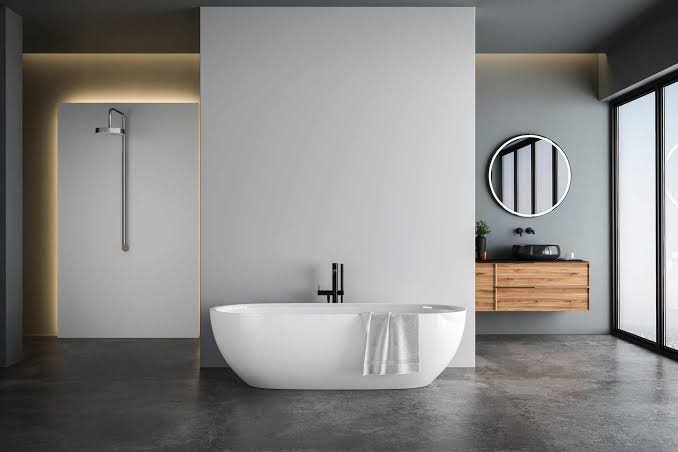
A bathtub should provide a comfortable and clean place to relax, but years of regular use gradually affect its appearance. Scratches, stubborn stains, discoloration, and dull finishes can make even a well-maintained bathroom look outdated. Cleaning products sometimes remove surface dirt, but they cannot restore a finish that has deteriorated over time. Replacing the entire bathtub is one option, although it involves more work than many homeowners expect.
Before planning a complete bathroom renovation, consider whether bathtub refinishing in Toledo, OH, is appropriate for your existing tub. Refinishing renews the bathtub’s visible surface without requiring the removal of the entire fixture. This approach is particularly useful when the tub remains functional but has cosmetic imperfections that affect the bathroom’s appearance.
Why Do Bathtubs Develop Stains and Surface Damage?
Bathtubs experience repeated exposure to water, soap, body oils, cleaning chemicals, and everyday friction. These conditions gradually wear down the original finish.
Several issues commonly affect older tubs:
- Persistent staining: Mineral deposits, soap residue, and other contaminants leave marks that ordinary cleaning does not remove.
- Scratches: Abrasive cleaners and unsuitable scrubbing tools damage the surface.
- Dullness: Repeated use gradually reduces the original shine.
- Discoloration: Aging finishes lose their consistent color and appearance.
- Minor surface imperfections: Small chips and superficial damage make the tub look neglected.
The bathtub’s material is also an important factor when determining whether refinishing is suitable. Porcelain over cast iron, enameled steel, and acrylic tubs can require different preparation methods, so the material should be identified before the refinishing process begins.
Identifying the type of damage is important because refinishing addresses surface appearance rather than every underlying structural problem.
How Bathtub Refinishing Restores an Existing Tub
Professional refinishing involves several preparation and application stages. Each stage contributes to the quality and durability of the finished surface.
Initial Bathtub Assessment
The existing bathtub is inspected to identify its material, finish condition, and visible damage. This assessment determines whether refinishing is suitable or whether repairs are necessary first.
Cleaning and Contaminant Removal
The surface is thoroughly cleaned to remove soap scum, oils, mineral deposits, and cleaning product residue. Contaminants left behind can interfere with coating adhesion.
Repairing Surface Imperfections
Suitable minor chips, scratches, and other surface defects are addressed as part of the preparation process. Extensive structural damage requires a different solution.
Applying the New Finish
After preparation, a specialized coating is applied to the bathtub. Professional application focuses on achieving an even finish without visible inconsistencies. Proper ventilation is important during application because refinishing products can produce odors, and the bathroom may need to remain unused until the coating has adequately cured.
Curing and Quality Inspection
The coating needs sufficient time to cure according to the product specifications. Cure time varies by product and application conditions, so the exact required period should be confirmed with the refinishing provider before use. The completed surface is inspected before the bathtub returns to regular use.
Advantages of Bathtub Refinishing for Toledo Homeowners
Choosing bathtub refinishing in Toledo, OH, offers practical benefits for homeowners who want to improve their bathrooms without replacing a functional fixture.
Avoids extensive demolition: The existing bathtub stays in place, reducing the removal work associated with replacement.
Controls renovation expenses: Refinishing generally costs less than purchasing and installing a new bathtub, particularly when plumbing and surrounding materials also require work during replacement.
Improves visual appeal: A renewed finish helps an older bathtub look cleaner and more consistent with the rest of the bathroom.
Reduces renovation disruption: Keeping the existing fixture eliminates many of the construction activities involved in a full bathtub replacement.
Extends the usefulness of existing fixtures: When the bathtub is structurally sound, refinishing provides another option for maintaining its usability. A professionally refinished bathtub can often provide several years of additional service, with the actual service life depending on the coating, preparation, bathtub condition, and maintenance.
Is Refinishing Better Than Replacing Your Bathtub?
The right decision depends on the bathtub’s condition and your renovation objectives.
Refinishing is worth considering when:
- The tub remains stable and functional.
- Damage is primarily cosmetic.
- You want to improve the finish without changing the bathtub’s design.
- The surrounding bathroom does not require major reconstruction.
Replacement is more appropriate when the bathtub has significant cracks, structural weakness, severe corrosion, persistent underlying water damage, or dimensions that no longer meet your needs.
A professional evaluation helps distinguish between surface deterioration and problems that require replacement.
Compared with replacement, refinishing is generally a lower-cost option because it can avoid the expense of purchasing a new tub, removing the existing fixture, and making related plumbing or surrounding repairs. The exact savings depend on the bathtub’s condition and the scope of the work.
Maintaining a Refinished Bathtub
After refinishing, proper care helps protect the new coating.
- Follow the recommended curing period before using the bathtub.
- Clean with nonabrasive products suitable for the refinished surface.
- Avoid harsh chemicals and abrasive scouring materials.
- Rinse away soap residue after bathing.
- Check caulking and surrounding areas for moisture problems.
- Avoid dropping heavy objects into the tub.
A non-slip treatment can also be applied to the bathtub floor when appropriate to improve traction and reduce the risk of slipping.
Consistent maintenance reduces premature wear and helps preserve the finish.
Restore Your Bathtub Without a Complete Bathroom Remodel
A worn bathtub does not automatically need to be replaced. When its structure remains sound, refinishing provides an effective way to address discoloration, surface wear, and outdated finishes. Evaluating the tub before starting a renovation helps you select an approach that matches its actual condition.
If your bathtub has lost its original appearance, consider professional bathtub refinishing in Toledo, OH, to refresh your bathroom and make better use of your existing fixture.