DIY Home Repairs After Smoke and Fire Damage: What Homeowners Can Tackle Themselves

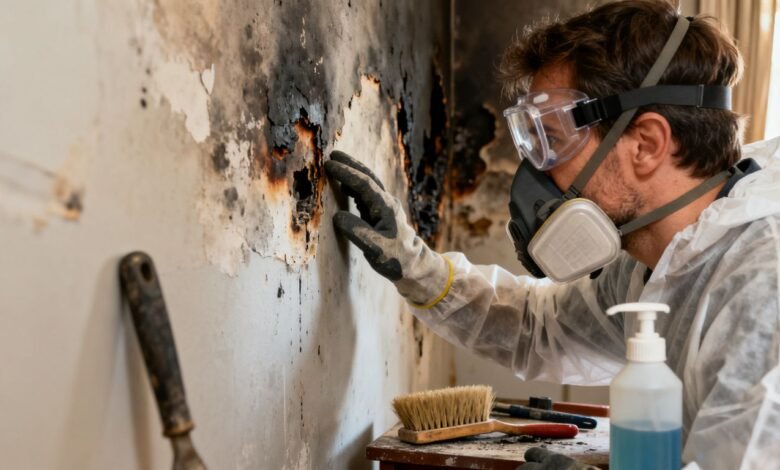
After a fire, the first step is figuring out what you can safely handle yourself and what needs a professional. It’s easy to feel overwhelmed by the mess, but taking a moment to assess the situation properly is key. Not all fire damage is created equal, and understanding the scope is your first DIY task.
Understanding What Is Safe To Handle
When fire strikes, it leaves behind more than just visible charring. Smoke and soot particles are fine and can get into everything, posing respiratory risks. It’s important to know that minor smoke and soot on non-porous surfaces might be something you can clean. However, if materials are heavily coated, structurally compromised, or if there’s significant water damage from firefighting efforts, it’s time to call in the experts. Trying to clean deep soot from drywall or upholstered furniture yourself often just pushes the problem deeper or spreads it around. For a detailed look at the inspection process, you can check out this guide fire damage inspection process.
Initial Safety Checks After Fire
Before you even think about cleaning, safety is paramount. The fire department will give the all-clear, but that doesn’t mean every hazard is gone. Always ensure the fire is completely extinguished. Open up windows and doors to get fresh air circulating, which helps clear out lingering smells and some airborne particles. You’ll want to wear protective gear, like gloves and a mask, even for light cleaning. Be cautious of any water left from firefighting, as it can create electrical hazards or lead to mold growth.
Importance Of Professional Assessment
For anything beyond light surface cleaning, a professional assessment is highly recommended. Professionals have the experience to spot hidden dangers, like structural weaknesses or electrical system damage, that you might miss. They can also provide a clear picture of the full extent of the damage, which is helpful for insurance claims and planning the restoration. A specialist will ask questions to understand the extent of the damage and determine the necessary resources for effective restoration specialist will assess. This professional evaluation helps you avoid making the situation worse or putting yourself at risk.
Tackling Light Smoke And Soot Removal
Following a fire, the immediate aftermath can leave a layer of smoke and soot that, while concerning, may be manageable for homeowners in certain situations. It is important to approach this task with caution and the right methods to avoid causing further damage or exposing yourself to harmful particles.
Ventilating Your Home For Air Quality
Before any cleaning begins, the first step is to clear the air. Open windows and doors to allow fresh air to circulate throughout the house. This helps to dissipate smoke odors and reduce the concentration of airborne soot particles. Consider using fans to help move the air outside, but be careful not to blow soot around inside the home. This initial ventilation is key to making the environment safer for subsequent cleaning efforts. For more persistent odors, bowls of white vinegar can be placed around rooms to help absorb airborne particles.
Removing Loose Soot Deposits Safely
Loose soot can often be removed with careful vacuuming. It is advisable to use a vacuum cleaner equipped with a HEPA filter to capture fine particles effectively. Gently vacuum surfaces, avoiding excessive pressure that could smear the soot into the material. For areas where vacuuming is not feasible, a dry sponge or a soft cloth can be used to wipe away soot. Remember, water should generally be avoided at this stage, as it can cause soot stains to set more deeply.
Cleaning Non-Porous Surfaces
Non-porous items such as glass, metal, and sealed countertops are typically easier to clean. A mild detergent mixed with water or a solution of white vinegar and water can be effective. Gently scrub these surfaces with a sponge or cloth. For tougher residue, commercial cleaning products designed for smoke removal can be used on durable surfaces. Always test any cleaning solution in an inconspicuous area first. For fabrics, washing with a heavy-duty detergent and considering additives like baking soda or vinegar can help neutralize odors.
Restoring Salvageable Items At Home
After a fire, it’s natural to want to salvage as many personal belongings as possible. While some items may be beyond repair, many can be restored with careful cleaning and attention. It’s important to approach this process methodically to avoid causing further damage.
Washing Lightly Affected Fabrics
Clothing, curtains, bedding, and other washable textiles that have been exposed to smoke can often be cleaned at home. The key is to treat them carefully to remove soot and odor without damaging the material.
- Launder items separately from unaffected belongings to prevent cross-contamination.
- Use a heavy-duty detergent and consider adding a cup of baking soda or white vinegar to the wash cycle to help neutralize lingering smells.
- Wash on a hot water setting if the fabric allows, and consider running an extra rinse cycle.
- For delicate or valuable fabrics, dry-cleaning is often the best option to ensure proper cleaning and odor removal. Always check care labels before washing.
Cleaning Metal and Glass Items
Many household items made of metal or glass can be cleaned effectively at home. These non-porous surfaces tend to hold onto smoke residue and odors less stubbornly than porous materials.
- For general cleaning, a solution of warm water and mild dish soap is usually sufficient.
- A mixture of one cup of white vinegar to one gallon of warm water can be particularly effective at cutting through smoke film and deodorizing surfaces. Wipe down items thoroughly with this solution.
- For stubborn residue on glass, a commercial glass cleaner can be used after the initial wash. Ensure all items are rinsed thoroughly and dried completely to prevent water spots.
Addressing Lingering Odors In Textiles
Even after washing, some textiles might retain a smoky smell. Addressing these persistent odors requires a bit more effort.
- Airing out items in fresh air for an extended period can help dissipate odors. Hang them outdoors on a dry, breezy day, away from direct sunlight if they are colored.
- For deeply embedded odors in upholstery or carpets, consider using a specialized fabric deodorizer spray designed for smoke. Always test these products on an inconspicuous area first.
- Placing items in a sealed container with activated charcoal or baking soda for several days can also absorb residual odors. This method is particularly useful for items that cannot be washed or are too delicate for extensive cleaning. Restoring smoke-damaged furniture often involves similar steps [b2f0].
When To Call Professionals For Fire Damage
While some minor smoke and soot issues might be manageable for homeowners, certain types of fire damage demand the attention of trained professionals. Attempting to handle these complex situations yourself can lead to further damage, health risks, or incomplete repairs. It’s important to recognize when a situation is beyond the scope of DIY.
Structural Integrity Concerns
Fires, even small ones, can compromise the structural soundness of your home. Heat can weaken beams, joists, and other load-bearing elements, making them unsafe. Water used to extinguish the fire can also contribute to structural issues over time. If you notice any sagging ceilings, cracked walls, or doors and windows that no longer fit properly, it’s a clear sign that professionals need to assess the situation. These issues require specialized knowledge to identify and repair correctly to prevent collapse.
Electrical System Hazards
Fire damage to electrical systems is incredibly dangerous. Wiring can be melted, insulation compromised, and entire panels may be affected. Even if the power seems to be working, hidden damage could pose a serious risk of electrocution or a re-ignition of fire. It is never advisable to attempt electrical repairs yourself after a fire. Professionals are needed to:
- Inspect all wiring, outlets, and the main electrical panel.
- Safely replace any damaged components.
- Ensure the system is safe before power is restored.
HVAC System Contamination
Your heating, ventilation, and air conditioning (HVAC) system can quickly become a conduit for smoke, soot, and chemical contaminants throughout your entire home. While you might be able to clean visible vents, the internal components, ductwork, and filters can harbor harmful particles. Running the system before it’s properly cleaned can spread these contaminants further. Professionals are equipped to:
- Thoroughly clean and inspect ductwork.
- Replace contaminated filters.
- Assess the system for any fire-related damage.
Bringing in experts for these critical areas ensures your home is not only clean but also safe and structurally sound after a fire. For comprehensive recovery, consider contacting a professional fire restoration company. They possess the specialized tools and knowledge to address these complex issues effectively, helping to restore your home and peace of mind. Hiring professionals is crucial for a thorough recovery process.
Deep Cleaning And Odor Elimination
After the initial cleanup of loose soot and surface grime, the real challenge often lies in tackling the lingering smoke odor and the deeper grime that has settled into your home’s materials. This is where more intensive cleaning methods come into play, and it’s important to know which tasks are still within the scope of DIY efforts and when professional help is truly needed.
Professional Smoke Odor Removal Techniques
The persistent smell of smoke is caused by microscopic particles that penetrate porous materials, making them difficult to remove with simple airing out. While homeowners can use methods like placing bowls of baking soda or activated charcoal around rooms to absorb some odors, these are often temporary fixes. For a more thorough elimination, professionals employ specialized equipment. These tools, such as ozone generators and thermal foggers, work to neutralize odor-causing particles at a molecular level. This approach aims for a permanent removal of the smell, rather than just masking it. For extensive odor issues, professional services are generally recommended.
Restoring Porous Materials
Porous materials like drywall, insulation, wood, and upholstered furniture are notorious for trapping smoke odors. While lightly affected fabrics might be washable at home, deeper contamination requires more advanced techniques. For instance, washing clothes and linens that smell smoky might require multiple washes with detergent and baking soda, and even then, the odor may persist. Trying to clean heavily saturated porous materials yourself can be frustrating and may not yield satisfactory results. In many cases, especially with severe smoke damage, the most effective solution for these materials is replacement.
Utilizing Specialized Cleaning Equipment
Beyond basic cleaning supplies, certain equipment is often necessary for effective deep cleaning and odor elimination after a fire. While homeowners can use vacuums with HEPA filters for loose soot, more advanced tools are typically in the hands of professionals. These can include air scrubbers, which help purify the air by removing soot and other airborne particles, and specialized cleaning solutions designed to break down smoke residue without damaging surfaces. For homeowners looking to tackle some of the deeper cleaning themselves, understanding the limitations of standard household tools is key. For a more complete approach to smoke damage, consider looking into professional smoke damage cleanup.
Safety Precautions For DIY Fire Damage Repair
Before attempting any repairs after a fire, it is absolutely vital to prioritize your safety. A fire-damaged home presents numerous hidden dangers that can pose serious risks to your health and well-being. Always wait for an official clearance from the fire department before entering the property. They are trained to identify immediate hazards such as structural instability, toxic fumes, and lingering heat. Entering prematurely could expose you to dangerous conditions. If you are given the go-ahead, you must still take precautions.
Wearing Appropriate Protective Gear
Once you have the official “all-clear” to enter, proper personal protective equipment (PPE) is non-negotiable. Soot, ash, and smoke residue can contain harmful particles that are dangerous if inhaled or absorbed through the skin. When you are assessing the damage or beginning light cleaning tasks, make sure you are equipped with:
- An N-95 respirator mask to filter out airborne particles.
- Safety goggles to protect your eyes from dust and debris.
- Heavy-duty gloves to prevent skin contact with contaminants.
- Long sleeves, long pants, and closed-toe shoes or boots for full body coverage.
Avoiding Hazardous Materials
Fire can create or release hazardous substances. Be aware of potential dangers like melted wiring, compromised gas lines, and chemical residues from burned materials. Never attempt to turn on utilities like electricity, gas, or water until they have been thoroughly inspected by qualified professionals. Doing so could lead to electrocution, gas leaks, or even reignite a fire. If you notice any signs of chemical spills or unusual odors, avoid the area and contact professionals immediately. For guidance on rebuilding after a fire, consider resources that offer a step-by-step approach to recovery rebuilding a house after a fire.
Ensuring Structural Stability Before Entry
Fire can significantly weaken the structural integrity of your home. Walls, ceilings, and floors that appear intact might be compromised. Before you begin any work, even light cleaning, assess the visible structure for any signs of sagging, cracking, or instability. If you have any doubts about the structural soundness of an area, do not enter it. It is always best to err on the side of caution and have a professional assess structural integrity if you suspect any damage. Your safety is the most important factor in the recovery process.