
Indoor air quality has become a major focus for homeowners who want healthier, more comfortable living spaces. Modern homes are built with better insulation and tighter construction, but these improvements can sometimes reduce natural airflow. Without proper ventilation and air management, pollutants, allergens, dust, and excess moisture can accumulate indoors. New strategies are helping families create cleaner environments while improving comfort and energy efficiency.
Homeowners looking for solutions to achieve clear air in home Staten Island are increasingly exploring advanced indoor air quality methods that go beyond traditional cleaning routines. Fresh air management now includes smart ventilation systems, filtration technology, humidity control, and regular HVAC care. These approaches help reduce airborne contaminants while supporting healthier spaces where families can breathe more comfortably throughout the year.
Why Indoor Air Quality Matters More Than Ever
People spend a significant amount of time inside their homes, making indoor air quality an important factor in daily health and comfort. Poor air circulation can allow pollutants to remain trapped indoors for longer periods.
Common Indoor Air Challenges
Dust, pet dander, cleaning chemicals, smoke particles, and allergens can affect the air inside residential spaces. High humidity levels may also encourage mold growth, while dry air can create discomfort during colder months.
Improving indoor air quality requires a combination of proper ventilation, filtration, moisture management, and regular HVAC maintenance. These strategies work together to create a more balanced home environment.
Smart Ventilation Systems Are Changing Home Air Management
Traditional ventilation methods often rely on opening windows or basic exhaust fans. While these options can help, advanced systems now provide more controlled airflow without wasting energy.
How Modern Ventilation Works
Energy recovery ventilators and heat recovery ventilators introduce fresh outdoor air while removing stale indoor air. These systems help maintain comfortable temperatures by transferring energy between incoming and outgoing air streams.
Many homeowners seeking clear air in home Staten Island are considering these technologies because they support cleaner air while helping HVAC systems operate more efficiently. Smart ventilation provides consistent airflow without creating unnecessary energy loss.
Advanced Air Filtration Improves Indoor Cleanliness
Air filters remain one of the simplest ways to improve indoor air quality, but newer filtration technologies offer much stronger performance than standard options.
Modern Filtration Solutions
High-efficiency filters, electronic air cleaners, and whole-home purification systems can capture smaller particles that circulate through HVAC systems. These solutions help reduce dust, pollen, smoke particles, and other airborne contaminants.
Benefits of Improved Filtration:
- Cleaner indoor air
- Reduced airborne allergens
- Less dust accumulation
- Better HVAC performance
- Improved household comfort
- Healthier living spaces
Regular filter replacement remains essential because even advanced systems require proper maintenance to perform effectively.
Humidity Control Plays a Critical Role
Balanced humidity levels are essential for maintaining comfortable indoor conditions. Excess moisture can create problems, while overly dry air can affect comfort and household materials.
Managing Indoor Moisture
Dehumidifiers help control excessive moisture during humid seasons, while humidifiers add moisture during dry weather. Proper humidity management can reduce mold risks, protect furniture, and improve overall comfort.
Smart humidity sensors now allow homeowners to monitor moisture levels and adjust systems automatically. This creates a more stable indoor environment while reducing unnecessary HVAC strain.
Smart Home Technology Supports Cleaner Air
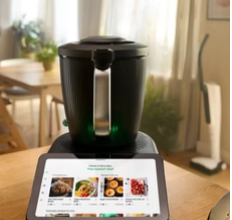
Technology is transforming how homeowners monitor and manage indoor environments. Smart air quality devices provide real-time information about conditions inside the home.
Connected Air Quality Tools
Smart sensors can measure humidity, carbon dioxide levels, temperature, and airborne particles. When connected with HVAC systems, these devices can trigger ventilation adjustments or filtration improvements automatically.
Smart Air Management Features:
- Real-time air monitoring
- Automated ventilation control
- Mobile alerts
- Energy usage tracking
- Improved comfort settings
- Better system awareness
These technologies allow homeowners to make informed decisions about indoor air conditions.
HVAC Maintenance Remains Essential
Even the most advanced air quality solutions depend on a properly maintained HVAC system. Heating and cooling equipment play a major role in circulating and filtering indoor air.
Importance of Regular HVAC Care
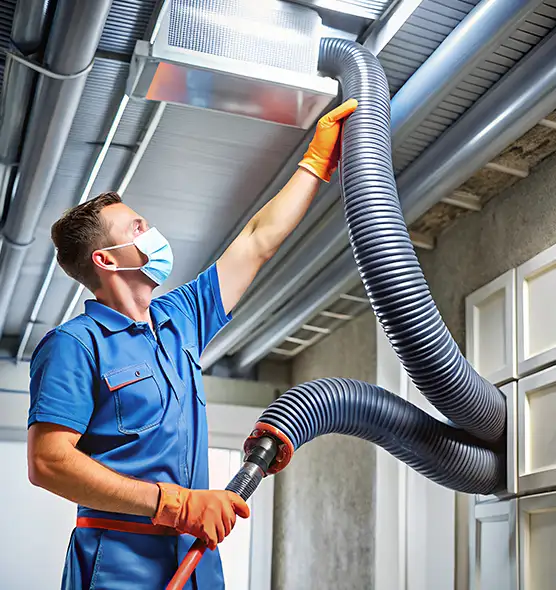
Dirty coils, clogged filters, and blocked ductwork can reduce airflow and spread contaminants throughout the home. Routine inspections help ensure that HVAC systems operate efficiently while supporting cleaner indoor environments.
Professional maintenance can include filter checks, duct inspections, system cleaning, and performance evaluations. These services help maintain consistent airflow and reduce unnecessary energy consumption.
Reducing Indoor Pollutants Through Daily Habits
Technology provides valuable support, but everyday household practices also influence air quality. Simple changes can significantly reduce the amount of pollutants introduced indoors.
Helpful Steps for Cleaner Indoor Air:
- Vacuum regularly with quality filtration
- Use low-emission cleaning products
- Keep outdoor pollutants from entering
- Maintain proper kitchen ventilation
- Clean HVAC filters consistently
- Control indoor humidity levels
Combining these habits with modern air quality solutions creates stronger protection against indoor air concerns.
Energy Efficiency and Fresh Air Can Work Together
Some homeowners worry that bringing fresh air indoors will increase heating and cooling costs. However, modern systems are built to balance ventilation and energy efficiency.
Efficient Air Quality Strategies
Advanced ventilation systems, smart thermostats, and energy-efficient HVAC equipment can work together to maintain comfort while reducing wasted energy. Proper system design ensures that homes receive fresh airflow without placing excessive demand on heating and cooling systems.
A balanced approach helps homeowners achieve cleaner air while keeping monthly energy expenses manageable.
Future Trends in Indoor Air Solutions
The focus on healthier homes continues to increase as homeowners become more aware of indoor air concerns. Future technologies are expected to provide even more control over ventilation, filtration, and air monitoring.
Emerging Indoor Air Trends:
- Artificial intelligence-based air management
- More efficient filtration systems
- Advanced sensor technology
- Integrated smart home controls
- Energy-conscious ventilation solutions
These developments will continue shaping how homeowners approach indoor comfort and air quality.
Fresh Air Outlook
Creating a healthier indoor environment requires more than occasional cleaning. Modern air quality strategies combine smart ventilation, advanced filtration, humidity control, HVAC maintenance, and thoughtful daily habits. Homeowners can improve comfort, reduce pollutants, and support energy efficiency by adopting these next-generation solutions. As technology continues advancing, maintaining fresh indoor air will become easier, smarter, and more effective. Investing in better air management today helps create a cleaner and more comfortable home environment for the future.