
Key Takeaways
- Warm temperatures can support pest activity during much of the year.
- Spring, summer, fall, and winter each create different pest risks around the home.
- Sealing gaps, removing standing water, and storing food properly can reduce pest pressure.
- Indoor cleaning, outdoor maintenance, and moisture control work best together.
- Early warning signs are usually easier to address than an established infestation.
Warm-climate homeowners often deal with pest pressure year-round, not just during the hottest months. A practical prevention routine can reduce the food, water, shelter, and entry points that attract insects and rodents, preventing a small issue from becoming a larger problem. For households that need help identifying persistent activity, Green Mango Pest Control can be part of a broader prevention-first approach. The most effective plan is not based on a single spray or one major cleanup day. It combines routine inspections, moisture control, food storage, yard maintenance, and timely repairs. By assigning a few simple tasks to each season, homeowners can make pest prevention easier to manage all year.
Why Seasonal Planning Helps
Pests respond to changing temperatures, rainfall, available food, water, and protected shelter. In warmer regions, those conditions may remain favorable well beyond the traditional spring and summer pest season. A calendar-based routine helps homeowners focus on the most useful tasks at the right time, rather than trying to complete every repair at once. A prevention-first strategy follows the basic principles of integrated pest management, which emphasizes inspection, sanitation, exclusion, and monitoring before relying on treatment products. The goal is to make the property less inviting while addressing the specific conditions that support pest activity.
How Warm Weather Affects Pests
Temperature, Food, And Shelter
Warm conditions can increase insect movement and speed up breeding cycles. Ants, cockroaches, termites, mosquitoes, and spiders may remain active for long periods, especially where shaded landscaping, irrigation, or indoor climate control provide stable conditions. Kitchens, garages, attics, crawl spaces, and utility areas can also give pests access to food, warmth, and hiding places.
Moisture And Standing Water
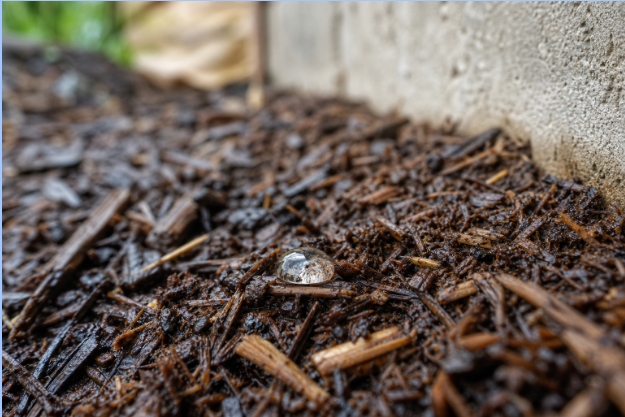
Water problems are a major source of pest pressure. Check for dripping outdoor faucets, leaking pipes, clogged gutters, damp mulch, and poor drainage near the foundation. Even small containers can hold enough water for mosquito development, so empty buckets, plant saucers, toys, birdbaths, and other items after rain. Guidance for preventing warm-climate pests also highlights moisture reduction, firewood storage, and regular exterior upkeep.
Spring Pest Prevention Checklist
Spring is an ideal time to inspect the exterior before pest activity increases. Walk slowly around the home and look for torn screens, worn door sweeps, gaps around vents, and cracks near pipes or utility lines. Repair damaged seals, clean gutters, and make sure downspouts direct water away from the foundation.
- Check wood trim, decks, and fences for termite wings, mud tubes, or damaged wood.
- Trim shrubs and branches so they do not touch walls, windows, or the roofline.
- Remove damp leaves, fallen fruit, and excess mulch near exterior walls.
- Keep soil and mulch below siding to reduce moisture and hidden pest access.
Summer Pest Prevention Checklist
Summer can bring open doors, outdoor meals, overflowing trash, and frequent rain. Empty containers that collect water, keep garbage bin lids closed, and rinse bins after spills. Clean grills, patios, and outdoor eating areas soon after use, especially if sugary drinks, grease, or pet food are present.
- Store pet food and birdseed in sealed containers.
- Keep grass trimmed and thin heavy plant growth near walls.
- Use intact screens and fans around outdoor seating areas.
- Check shaded spaces for wasp nests, ant trails, and spider webs.
Fall Pest Prevention Checklist
When outdoor conditions change, rodents and other pests may seek shelter and food indoors. Focus on exclusion by sealing gaps around plumbing, attic vents, garages, rooflines, and utility connections. A seemingly minor gap can become a regular access point if it remains open.
- Store firewood away from the home and raise it off the soil.
- Inspect boxes, decorations, and stored furniture before bringing them inside.
- Organize sheds, garages, and closets to remove hiding places.
- Watch for droppings, gnaw marks, nesting material, or scratching sounds.
Winter Pest Prevention Checklist
Winter does not necessarily stop pest activity in warm climates. Heated kitchens, garages, basements, and wall voids can provide stable shelter. Keep counters and floors free of crumbs and grease, store dry goods in sealed containers, and repair plumbing leaks promptly. Continue checking attics, garages, and storage spaces for activity, especially if the property has had prior pest problems.
Home Maintenance Steps That Matter
Seal Entry Points
Inspect foundation cracks, window frames, garage door edges, roof vents, screen doors, and openings around pipes. Replace worn weatherstripping and repair damaged screens. Do not overlook attached garages, utility rooms, and crawl-space access doors.
Control Food And Waste
Clean spills quickly, wash recycling before storing it, and use tight-fitting lids on indoor and outdoor trash containers. Avoid leaving ripe fruit, pet food, or unsealed snacks out overnight. Regularly vacuum under appliances and along baseboards where crumbs can collect unnoticed.
Manage Landscaping
Fix irrigation areas where water pools, clear debris from drains, and move outdoor equipment away from the foundation. Dense vegetation can trap moisture and create protected travel routes, so maintain a visible gap between plants and the exterior walls whenever possible.
When To Call For Help
Professional advice may be appropriate when sightings continue after basic sanitation and repair steps, when the source is unclear, or when there are signs of structural damage. Pay close attention to repeated sightings in several rooms, fresh droppings, termite mud tubes, visible nests, strong odors, damaged insulation, gnawed wiring, or hollow-sounding wood.
Try to identify the pest before applying any product. Take a photo, note the room and time of day, remove nearby food or water sources, and look for related evidence. If using a store-bought treatment, follow the label exactly and keep children and pets away from treated areas as directed.
Common Questions
How Often Should A Home Be Checked?
Do a quick walk-around once a month and schedule deeper inspections in spring and fall. Older homes, properties with moisture issues, properties with heavy vegetation, or properties with a history of infestations may need more frequent monitoring.
Can A Clean Home Still Have Pests?
Yes. Cleanliness reduces food sources, but pests can still enter through gaps, plumbing openings, roof spaces, stored items, plants, and attached structures. Exclusion and moisture management are just as important as cleaning.
Are Store-Bought Sprays Enough?
They may help with an isolated pest, but they often do not address hidden nesting sites, entry points, excess moisture, or recurring sources. Prevention repairs are usually necessary for lasting control.
Conclusion
A seasonal pest plan does not need to be complicated. A few consistent checks can reduce the conditions pests need to survive. By matching maintenance tasks to the calendar, homeowners can spot issues early and better protect their homes throughout the year. In spring, inspect for new entry points, moisture, and outdoor nesting areas. During summer, focus on standing water, food sources, and vegetation near the home. Fall is a good time to seal gaps and check garages, attics, and storage areas before pests seek indoor shelter. In winter, monitor warm, sheltered spaces where rodents and other pests may hide. Keeping these tasks simple and consistent makes prevention easier to manage. When homeowners notice repeated activity or signs of an infestation, addressing the issue promptly can help prevent a small concern from becoming a larger problem.