Bathroom Cabinets in Sammamish, WA: Creating Better Storage in Your Bathroom

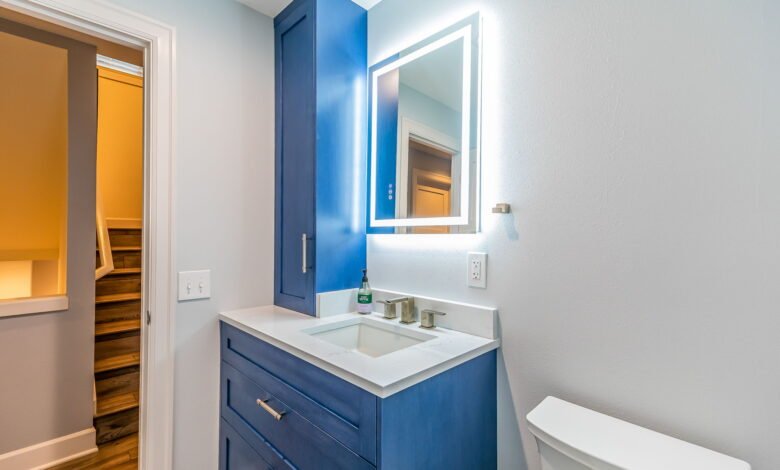
Bathrooms often have limited floor space, which makes efficient storage especially important. Cabinets provide a practical way to organize toiletries, towels, cleaning supplies, and everyday essentials while keeping the room visually tidy. The right cabinetry can also improve how efficiently you use the available space.
Before choosing bathroom cabinets in Sammamish, WA, evaluate the room’s dimensions, moisture exposure, plumbing layout, storage requirements, and design style. Cabinet selection should support the bathroom’s function while complementing other features such as countertops, flooring, mirrors, and fixtures.
Start With the Available Space
Measure the bathroom carefully before selecting cabinetry. Record wall dimensions, ceiling height, door swings, windows, plumbing connections, and the location of existing fixtures.
Vanity cabinets are often the primary storage feature, but additional options can help maximize the room. Tall cabinets can use vertical space, while wall-mounted storage can preserve floor area in smaller bathrooms.
Avoid selecting a cabinet that blocks doors, drawers, walkways, or plumbing access.
Consider Moisture Exposure
Bathrooms regularly experience humidity and water exposure. Cabinet materials and finishes should therefore be appropriate for the environment.
Areas near sinks and showers need particular attention. Water should not be allowed to sit on cabinet surfaces or penetrate unfinished edges.
Ventilation is equally important. A properly functioning exhaust fan helps reduce excess humidity and supports better long-term conditions for cabinetry, walls, and other bathroom materials.
Design Storage Around Your Routine
Think about what you use every day. Frequently accessed items should be stored where they are easy to reach, while less frequently used supplies can occupy higher or deeper spaces.
Drawers can be particularly useful for cosmetics, grooming tools, and smaller items because they provide quick visibility. Larger cabinets can accommodate towels, cleaning products, and bulkier supplies.
Internal organizers can further improve efficiency without requiring additional floor space.
Match Cabinets With the Bathroom Design
Cabinet color and finish should coordinate with the rest of the room. Consider the countertop, tile, wall color, flooring, mirror frame, lighting, and fixtures as a complete design.
Light-colored cabinetry can support a brighter appearance, while darker finishes can create contrast and visual depth.
If the bathroom has decorative tile or patterned surfaces, simpler cabinetry can prevent the room from feeling visually crowded.
Hardware and Functionality
Cabinet hardware affects both appearance and everyday use. Pulls and knobs should be comfortable and appropriately sized for the cabinet doors and drawers.
Soft-close hinges and drawer slides can provide smoother operation and reduce impact. Hardware should also be suitable for a humid environment and maintained according to the manufacturer’s recommendations.
Keep Maintenance in Mind
Bathroom cabinets need regular cleaning because they are exposed to moisture, dust, personal-care products, and occasional spills.
Use cleaning products recommended for the cabinet finish. Avoid excessive water and dry wet surfaces promptly.
Inspect areas around sinks periodically for signs of swelling, peeling, or water damage. Early attention can prevent a small issue from becoming a larger repair.
Conclusion
Bathroom cabinetry should combine storage efficiency, moisture awareness, durability, and design. Sammamish homeowners can create a more functional bathroom by measuring carefully, planning storage around daily routines, and selecting finishes suited to the environment. Review the room’s layout and storage needs before choosing the final cabinet configuration.