
Maintaining your home is a continuous process that preserves your property value and ensures a safe, comfortable living environment. Regular upkeep allows you to address small issues before they transform into costly repairs, ultimately extending the lifespan of your structure.
By following a structured approach to home maintenance, you can protect your investment and enjoy a well-functioning space for years.
Ensuring Structural Integrity with Roof Repair Services
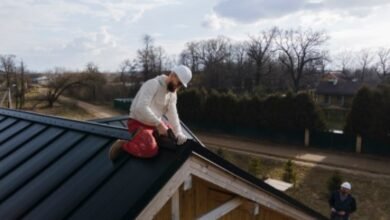
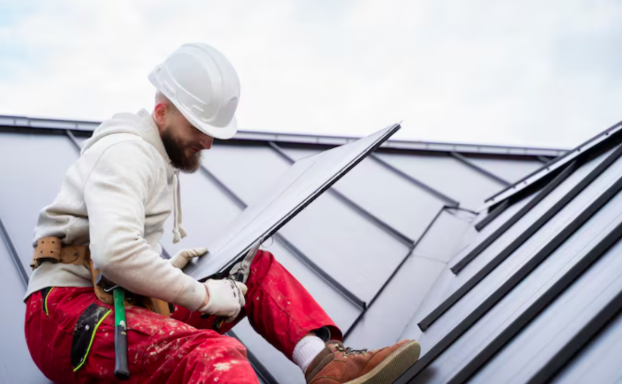
The roof is your home’s most critical barrier against external elements, making it essential to monitor its condition throughout the year. If you notice missing shingles, water stains on your ceilings, or signs of sagging, it is vital to contact professionals for reliable roof repair services immediately.
Proactive attention to your roof prevents moisture infiltration, which can lead to significant interior damage and compromise the structural stability of your entire house.
Safeguarding Your Fireplace Through Chimney Cap Repair
Many homeowners overlook the importance of their fireplace ventilation system, yet it is essential for both efficiency and safety. Investing in professional chimney cap repair ensures that your flue remains protected from debris, small animals, and excess moisture.
A functional cap prevents water from entering the chimney stack, which helps avoid masonry erosion and protects the interior lining of your chimney from premature decay, maintaining optimal performance during the colder months.
Prioritizing Regular Gutter Cleaning and Inspection
Gutters play a pivotal role in directing rainwater away from your home foundation, which is crucial for preventing structural settling and basement flooding. Schedule cleanings at least twice a year to remove leaves, twigs, and sediment that cause blockages.
Ensuring that your gutters are free-flowing protects your siding, windows, and foundation from water damage. A well-maintained gutter system is one of the simplest yet most effective ways to shield your home from the consequences of heavy rainfall.
Monitoring Foundation and Exterior Drainage
The stability of your residence relies heavily on a healthy foundation and proper surface drainage. Periodically walk around the perimeter of your home to inspect the foundation for cracks or signs of movement.
Ensure that the ground around your exterior walls slopes away from the structure to prevent water from pooling near the base. By maintaining this natural drainage path, you reduce hydrostatic pressure on your foundation walls, which helps prevent long-term compromises to your structural integrity.
Checking Windows and Door Seals for Efficiency
Air leaks around windows and doors are primary culprits for increased energy consumption and decreased indoor comfort. Inspect your weather stripping and caulking annually to ensure that all seals are intact and providing a tight barrier against drafts.
Replacing worn seals is an inexpensive project that significantly improves your thermal regulation. Keeping these transition points properly sealed protects the surrounding materials from rot while keeping your interior environment cozy and your energy bills consistently lower.
Managing Indoor Humidity and Proper Ventilation
Proper ventilation inside your home is just as important as exterior maintenance to prevent moisture-related damage. Ensure that exhaust fans in kitchens and bathrooms are functioning correctly to remove excess steam and prevent the buildup of condensation.
High humidity levels can lead to peeling paint, wood decay, and mold growth on interior surfaces. By maintaining steady indoor temperatures and encouraging adequate airflow, you preserve your finishes and structural components, keeping your home environment healthy and pristine.