
Introduction
The Thermomix has transformed the way people cook by combining multiple kitchen appliances into one intelligent machine. Whether you’re preparing family meals, baking bread, making soups, or experimenting with international recipes, this all-in-one appliance offers convenience, precision, and consistency. As smart kitchens become increasingly popular, more households are comparing models and researching the thermomix ireland price before making an investment.
In recent years, both the thermomix tm6 and thermomix tm7 have attracted significant attention among home cooks and food enthusiasts. While the TM6 established itself as one of the most advanced multifunctional kitchen appliances available, the TM7 introduces updated technology, improved design, and an even more refined cooking experience. Buyers often compare both models carefully to determine which one better suits their cooking style, household size, and budget.
If you’re planning to purchase a Thermomix in Ireland, understanding current pricing, feature differences, long-term value, and cooking capabilities is essential. This guide explains everything you need to know so you can make a confident and informed decision.
Understanding the Thermomix Ireland Price
One of the first questions buyers ask is about the thermomix ireland price. Since Thermomix is positioned as a premium kitchen appliance, its pricing reflects the advanced engineering, software integration, and multifunctionality it offers. Rather than buying separate appliances such as a food processor, blender, steamer, weighing scale, slow cooker, yogurt maker, and mixer, many households choose Thermomix because it combines all these functions into one compact machine.
Current pricing may vary depending on promotions, financing options, accessories included, and whether you’re purchasing the latest generation or an earlier model. Seasonal campaigns and limited-time offers can also influence the final purchase cost.
Although the initial investment may seem high compared to standard kitchen appliances, many owners find that the appliance replaces several expensive devices while saving both kitchen space and preparation time. This long-term value is one reason the thermomix ireland price continues to attract interest among serious home cooks.
What Makes Thermomix So Popular?
Thermomix has built its reputation by simplifying cooking without sacrificing quality. Every function is designed to improve efficiency while maintaining consistent results. From beginners following guided recipes to experienced chefs creating original dishes, the appliance adapts to different cooking styles.
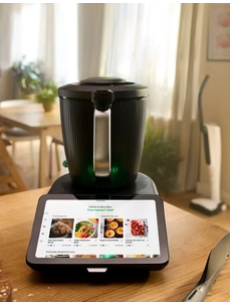
Its intelligent software allows users to follow step-by-step recipes directly on the touchscreen, reducing guesswork and making complicated recipes much easier. Automatic temperature control, precise weighing, mixing speeds, and cooking programs help achieve professional-quality results in everyday kitchens.
Instead of managing several appliances during meal preparation, users complete most cooking tasks using one machine, making cleanup much faster and reducing kitchen clutter.
Thermomix TM6: Features That Changed Modern Cooking
The thermomix tm6 remains one of the most versatile smart kitchen appliances available today. Designed with precision engineering, it combines cooking, weighing, chopping, blending, steaming, kneading, whisking, grinding, slow cooking, fermenting, and many other functions within a single device.
One of its biggest strengths is its guided cooking system. Users simply choose a recipe, follow on-screen instructions, and the machine automatically adjusts temperature, speed, and cooking time. This significantly reduces cooking mistakes while making complex recipes accessible for beginners.
The TM6 also introduced expanded cooking modes including sous vide cooking, caramelization, fermentation, rice cooking, slow cooking, egg boiling, and high-temperature cooking. These additional modes expanded its versatility beyond traditional food processors and helped establish it as a complete cooking assistant rather than simply another appliance.
Its large touchscreen, wireless connectivity, regular software updates, and continuously expanding recipe library further enhance its value.
Thermomix TM7: The Next Generation
The thermomix tm7 represents the latest evolution of the Thermomix platform. Building on the success of the previous generation, it introduces a refreshed design, improved user interface, quieter operation, and enhanced cooking performance.
The redesigned display provides smoother navigation and easier access to recipes, settings, and cooking modes. Hardware improvements also contribute to more efficient processing while maintaining the precise temperature and speed control that Thermomix users expect.
The newer model focuses heavily on user experience. Navigation feels more intuitive, cooking workflows are simplified, and overall responsiveness is improved. These refinements make everyday cooking even more enjoyable while preserving compatibility with guided digital recipes.
Many buyers considering an upgrade appreciate the improved design aesthetics alongside functional enhancements that make the appliance easier to use for both experienced and first-time owners.
Thermomix TM6 vs Thermomix TM7
Choosing between the thermomix tm6 and thermomix tm7 depends on your priorities, cooking habits, and budget. While both appliances perform exceptionally well, each offers slightly different advantages.
| Feature | Thermomix TM6 | Thermomix TM7 |
| Display | Large touchscreen | Larger, redesigned touchscreen |
| Guided Cooking | Yes | Enhanced interface |
| Cooking Modes | Extensive | Expanded and refined |
| Software | Regular updates | Latest operating system |
| Design | Modern | Slimmer and more premium |
| Performance | Excellent | Improved responsiveness |
| Noise Level | Low | Even quieter operation |
| Future Support | Strong | Latest platform |
For many households, the thermomix tm6 remains an outstanding option because it already includes nearly every advanced cooking function most users need. Meanwhile, those wanting the newest innovations, updated interface, and latest hardware may prefer the thermomix tm7.
Factors That Influence Thermomix Ireland Price
Several factors determine the final thermomix ireland price, and understanding these can help buyers evaluate the overall value rather than focusing solely on the purchase amount.
The most significant factor is the model generation. Newer releases naturally command higher prices due to upgraded hardware and software. Included accessories, recipe subscriptions, promotional bundles, financing options, and warranty packages can also influence the overall cost.
Additional accessories such as mixing bowls, blade covers, carrying bags, or specialized cookware may increase the total investment but often improve the cooking experience for frequent users.
Considering the appliance’s long lifespan and multifunctionality, many households view the purchase as an investment rather than a simple kitchen expense.
Who Should Choose Thermomix TM6?
The thermomix tm6 is an excellent choice for users who want premium cooking performance without necessarily purchasing the newest generation. It delivers nearly every feature needed for daily cooking while offering exceptional reliability.
It works particularly well for families preparing meals every day, busy professionals looking to reduce cooking time, beginner cooks wanting guided recipes, and experienced home chefs who appreciate consistent precision.
Many users discover they spend less time preparing ingredients because the appliance handles chopping, blending, kneading, mixing, steaming, and cooking automatically.
Reasons many buyers choose TM6
- Proven reliability over several years
- Wide range of advanced cooking modes
- Excellent guided cooking experience
- Strong long-term software support
Who Should Choose Thermomix TM7?
The thermomix tm7 appeals to buyers seeking the newest technology and future-focused improvements. While the cooking fundamentals remain similar, refinements in usability and design create an even more polished experience.
The improved display, quieter operation, updated software platform, and streamlined interface make cooking more intuitive. Buyers planning to keep their appliance for many years may appreciate investing in the latest generation from the beginning.
Although the newer model generally carries a higher purchase price, many users value the upgraded hardware and future software compatibility.
Is Thermomix Worth the Investment?
A common concern among potential buyers is whether the appliance justifies its premium pricing. The answer largely depends on cooking frequency and lifestyle.
People who cook several meals each week often find that Thermomix significantly reduces preparation time while improving consistency. Instead of purchasing numerous individual appliances, they rely on one machine for nearly every kitchen task.
Beyond convenience, the appliance encourages home cooking, recipe experimentation, and healthier meal preparation. Families who regularly prepare soups, sauces, bread, desserts, curries, pasta, smoothies, and steamed vegetables often maximize its capabilities.
Over several years of regular use, the cost per meal becomes relatively low compared to the value delivered through time savings and versatility.
Tips Before Buying a Thermomix
Before deciding between models, consider your cooking habits rather than simply choosing the newest version. Think about how often you’ll cook, the recipes you prepare most frequently, and whether future upgrades matter to you.
A few practical considerations include:
- Compare available package inclusions before purchasing.
- Consider future software support and updates.
- Evaluate financing options if available.
- Choose the model that fits your long-term cooking needs rather than only today’s budget.
These simple considerations help ensure satisfaction long after the initial purchase.
Maintenance and Long-Term Ownership
Maintaining a Thermomix is relatively straightforward. Regular cleaning after each use keeps the mixing bowl, blades, lid, and accessories in excellent condition. Because many components are dishwasher-safe, cleanup usually takes only a few minutes.
Software updates also continue improving functionality throughout the appliance’s lifespan. New guided recipes, interface improvements, and feature enhancements allow users to enjoy ongoing improvements without purchasing additional equipment.
Owners who follow recommended maintenance guidelines often use their Thermomix for many years while maintaining consistent performance.
Frequently Asked Questions
What is the average Thermomix Ireland price?
The thermomix ireland price depends on the model, available promotions, included accessories, and current offers. Since pricing changes periodically, buyers should compare the latest purchasing options before making a decision. Premium pricing reflects the appliance’s multifunctionality and ongoing software support.
Is the Thermomix TM6 still worth buying?
Yes. The thermomix tm6 remains one of the most capable smart cooking appliances available. It includes advanced cooking modes, guided recipes, wireless connectivity, and excellent overall performance, making it an outstanding option even after the introduction of newer models.
What improvements does the Thermomix TM7 offer?
The thermomix tm7 introduces an updated design, improved touchscreen experience, enhanced responsiveness, quieter operation, and refinements that make cooking even more intuitive. It builds upon the successful foundation established by earlier generations while introducing several usability improvements.
Which model is better for first-time buyers?
Both models suit beginners because guided cooking makes recipes easy to follow. Budget-conscious buyers may prefer the TM6, while those wanting the newest technology and longer-term platform support may choose the TM7.
Does Thermomix replace other kitchen appliances?
Yes. Thermomix combines numerous kitchen functions into one appliance, including chopping, blending, steaming, mixing, kneading, weighing, grinding, whisking, cooking, and more. Many households reduce the number of separate appliances they use daily.
Conclusion
Choosing between the thermomix tm6 and thermomix tm7 ultimately depends on your cooking style, long-term expectations, and budget. Both appliances deliver exceptional versatility, intelligent cooking assistance, and reliable performance that simplify everyday meal preparation.
When evaluating the thermomix ireland price, it is important to consider more than the initial purchase cost. The appliance replaces multiple kitchen devices, saves preparation time, encourages home cooking, and continues improving through software updates. For many households, these long-term benefits justify the investment.
Whether you choose the proven capabilities of the TM6 or the latest innovations offered by the TM7, both models represent premium smart kitchen solutions designed to make cooking easier, faster, and more enjoyable for years to come.