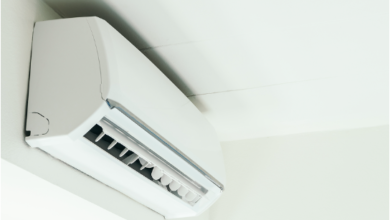

Air conditioners rarely choose a convenient time to stop working. More often than not, they fail in the middle of a heatwave, leaving your home uncomfortable and making it difficult to decide what to do next. If your AC is blowing warm air, making strange sounds, cycling constantly, or won’t start at all, your first instinct may be to replace it. However, homeowners looking into ac repair for warm weather often find that many problems can be fixed without replacing the entire system, while others signal that it’s time for an upgrade.
Making the right choice isn’t just about today’s repair bill. It’s also about how old your system is, how often it has needed repairs, and whether it’s still cooling your home efficiently. Taking a closer look at these factors can help you avoid spending money on a unit that’s nearing the end of its life or replacing one that still has plenty of years left.
Start by Identifying the Problem
Not every air conditioning issue signals the end of a system’s lifespan. Some problems are relatively minor and can be resolved without replacing the entire unit. Dirty air filters, clogged condensate drains, faulty thermostats, or worn electrical components are all examples of issues that may affect performance but are often repairable.
On the other hand, more serious problems such as compressor failure, refrigerant leaks, or repeated mechanical breakdowns may require a larger investment. A professional inspection is often the best way to determine the root cause before deciding whether repair or replacement makes the most financial sense.
Consider the Age of Your Air Conditioner
The age of your cooling system is one of the biggest factors when making this decision. Most central air conditioning systems are designed to provide many years of reliable service when properly maintained, but no equipment lasts forever.
If your system is relatively new and has been well maintained, repairing a single faulty component is often the most practical option. However, if the unit is approaching the later stages of its expected lifespan and repairs are becoming more frequent, investing in a replacement may offer better long-term value.
Older systems also tend to operate less efficiently than newer models, which means they often consume more electricity to deliver the same level of cooling.
Compare Repair Costs with Replacement Costs
Cost is naturally one of the first considerations for most homeowners. While repairing an existing system usually requires a smaller upfront investment, multiple repairs over a short period can quickly add up.
A helpful guideline is to compare the cost of the repair with the age and condition of the equipment. If a major repair represents a significant percentage of the cost of installing a new system, replacement may be the more practical long-term choice.
It’s also important to think beyond the immediate repair bill. A newer, energy-efficient system may reduce monthly utility costs enough to offset part of the replacement investment over time.
Evaluate Your Energy Bills
An unexpected increase in electricity costs may indicate that your air conditioner is no longer operating efficiently. As systems age, components naturally wear down, causing the equipment to work harder to maintain comfortable indoor temperatures.
Reduced efficiency doesn’t always mean replacement is necessary, but if rising energy bills are combined with frequent repairs or declining performance, upgrading to a newer system may improve both comfort and operating costs.
Scheduling routine maintenance can help identify efficiency problems before they become more serious.
Watch for Warning Signs That Shouldn’t Be Ignored
Air conditioners often show signs of trouble before they stop working completely. Paying attention to these symptoms can help prevent unexpected breakdowns during periods of extreme heat.
Some common warning signs include:
- Warm air coming from the vents
- Weak or uneven airflow throughout the home
- Unusual banging, grinding, or rattling noises
- Frequent cycling on and off
- Water leaks or excessive moisture around the unit
- Unpleasant odors when the system operates
- Rising energy bills without increased usage
While some of these issues may require only minor repairs, others can indicate more significant mechanical problems that should be evaluated by an HVAC professional.
Think About Your Home’s Comfort
Even if your air conditioner is still operating, declining performance can affect overall comfort. If some rooms remain warmer than others, humidity levels increase indoors, or the system struggles to maintain the thermostat setting, the equipment may no longer be meeting your home’s cooling needs.
In some cases, the issue may be related to ductwork, insulation, or airflow rather than the air conditioner itself. A complete system evaluation can identify whether repairs, upgrades, or replacement will provide the greatest improvement.
The Benefits of Replacing an Older System
Although replacing an air conditioner requires a larger initial investment, newer systems offer several advantages that may make the decision worthwhile.
Modern units are designed to operate more efficiently, use advanced technology for improved temperature control, and often run more quietly than older equipment. Many also include features such as variable-speed compressors and smart thermostat compatibility that improve comfort while reducing energy consumption.
Homeowners planning to stay in their homes for many years often find that these long-term benefits justify the cost of replacement.
Why Professional Advice Matters
Choosing between repairing and replacing an air conditioner isn’t always straightforward. A qualified HVAC technician can evaluate the system’s condition, explain the available options, and provide recommendations based on the equipment’s age, efficiency, and repair history.
Professional guidance helps homeowners avoid unnecessary expenses while ensuring that any repair or replacement decision supports reliable cooling for years to come.
Conclusion
Deciding whether to repair or replace a malfunctioning air conditioner involves more than comparing repair estimates. The system’s age, efficiency, repair history, and overall performance should all be considered before making a decision. While many issues can be resolved with professional repairs, older systems that experience frequent breakdowns or rising operating costs may provide greater value when replaced.
By acting early when problems appear and seeking expert advice, homeowners can avoid unexpected failures during the hottest months of the year. Whether the best solution is a repair or a complete replacement, making an informed decision helps ensure reliable comfort, improved efficiency, and greater peace of mind for the future