
Introduction to Marble Flooring and Modern Surfaces
Marble has long symbolized luxury, refinement, and architectural grandeur. From ancient palaces to modern penthouses, marble flooring continues to define premium interior spaces with its natural veining and luminous finish. When homeowners and designers seek a timeless material that combines durability with sophistication, marble often becomes the first choice. At the same time, contemporary flooring tiles have evolved dramatically, offering endless design possibilities in ceramic, porcelain, and stone finishes.
Today’s interior trends merge tradition and innovation. Marble flooring offers unmatched elegance, while advanced flooring tiles provide versatility and affordability. Together, they shape homes that are both visually impressive and functionally strong. Whether renovating a living room, upgrading a kitchen, or designing a commercial space, understanding these materials helps in making informed decisions that enhance beauty and long-term value.
The Timeless Appeal of Marble Flooring
One of the most compelling reasons people choose marble flooring is its natural beauty. Each slab of marble carries unique veining patterns formed over centuries, making every installation distinct. The smooth texture and subtle shine create a refined atmosphere that artificial materials often struggle to replicate.
Marble reflects light beautifully, which makes rooms appear brighter and more spacious. In large halls or open-plan areas, this reflective quality enhances architectural elements and adds depth. Beyond aesthetics, marble flooring also offers impressive longevity. When properly sealed and maintained, it can last decades without losing its charm.
However, marble requires careful handling. It is porous and can stain if spills are not cleaned promptly. Regular sealing protects the surface and preserves its natural glow. Despite these maintenance considerations, homeowners continue to favor marble flooring for its prestige and enduring value.
Understanding Flooring Tiles and Their Versatility
While marble represents luxury, flooring tiles provide flexibility and practicality. Available in materials such as ceramic, porcelain, and engineered stone, flooring tiles cater to diverse budgets and design preferences. They can mimic natural stone, wood, or even concrete, offering a wide range of aesthetic options.
Porcelain flooring tiles, for example, are known for their strength and water resistance, making them ideal for bathrooms and kitchens. Ceramic tiles, on the other hand, are cost-effective and easy to install. Technological advancements now allow tiles to replicate the look of marble with remarkable accuracy, giving homeowners a sophisticated appearance without the higher cost.
The variety in size, color, texture, and finish ensures that flooring tiles can complement both minimalist and traditional interiors. From matte finishes to glossy surfaces, the design possibilities are nearly endless. This adaptability makes them a preferred choice for residential and commercial projects alike.
Comparing Marble Flooring and Flooring Tiles
Choosing between marble flooring and flooring tiles often depends on lifestyle, budget, and aesthetic goals. Marble delivers natural luxury, while tiles provide practical efficiency. Understanding their differences helps homeowners align their choices with their needs.
Marble flooring offers:
-
Unique natural veining patterns
-
Long-term durability with proper care
-
Increased property value
Flooring tiles provide:
-
Lower installation and maintenance costs
-
Wide design and color options
-
Better resistance to moisture and stains
In high-traffic areas, porcelain flooring tiles may perform better due to their resilience. However, for grand living rooms or entryways, marble flooring adds a touch of opulence that is difficult to replicate. Many designers even combine both materials strategically within a single home to balance luxury and practicality.
Installation Process and Professional Considerations
Installing marble flooring requires precision and expertise. The subfloor must be perfectly leveled, and each slab carefully positioned to maintain consistent patterns. Professional installation ensures proper alignment and minimizes the risk of cracking or uneven surfaces. The weight of marble also demands a strong foundation.
In contrast, flooring tiles are generally easier to handle and install. Modern tile systems allow faster application and flexible layouts. Adhesives and grout technology have improved significantly, ensuring secure placement and minimal gaps. For DIY enthusiasts, ceramic tiles may be manageable, but large-format porcelain tiles often still require professional assistance.
Regardless of material, correct installation determines longevity. Improper sealing, uneven subfloors, or poor grouting can compromise performance. Investing in skilled labor ensures that both marble flooring and flooring tiles deliver their full aesthetic and functional potential.
Maintenance and Long-Term Care
Maintenance is a key factor when selecting flooring materials. Marble flooring requires periodic sealing to prevent moisture absorption and staining. Cleaning should involve pH-neutral solutions to avoid surface damage. With proper care, marble retains its polished appearance for generations.
Flooring tiles, especially porcelain varieties, are comparatively low maintenance. They resist scratches and stains and can be cleaned with standard household cleaners. Grout lines, however, may need occasional resealing or cleaning to prevent discoloration.
Routine maintenance enhances durability. Sweeping or vacuuming prevents abrasive dirt from dulling surfaces. Promptly addressing spills protects both marble flooring and flooring tiles from long-term damage. A consistent cleaning schedule preserves their visual appeal and structural integrity.
Cost Factors and Budget Planning
Budget plays a significant role in flooring decisions. Marble flooring typically costs more due to quarrying, transportation, and professional installation expenses. Additionally, maintenance products and sealing treatments add to long-term costs. However, many homeowners view marble as an investment that increases property value.
Flooring tiles offer a broader price range. Basic ceramic tiles are affordable, while high-end porcelain options remain cheaper than natural marble. Installation costs are also generally lower, making tiles an attractive option for larger areas or commercial projects.
When planning a renovation, it is wise to consider not only upfront expenses but also durability and maintenance. Sometimes, combining marble flooring in focal areas with cost-effective flooring tiles elsewhere creates a balanced design and financial solution.
Design Trends and Creative Applications
Modern interior design embraces both natural stone and engineered surfaces. Marble flooring remains popular in luxury residences, especially in living rooms, foyers, and master bathrooms. Designers often use contrasting marble shades to create geometric patterns or borders.
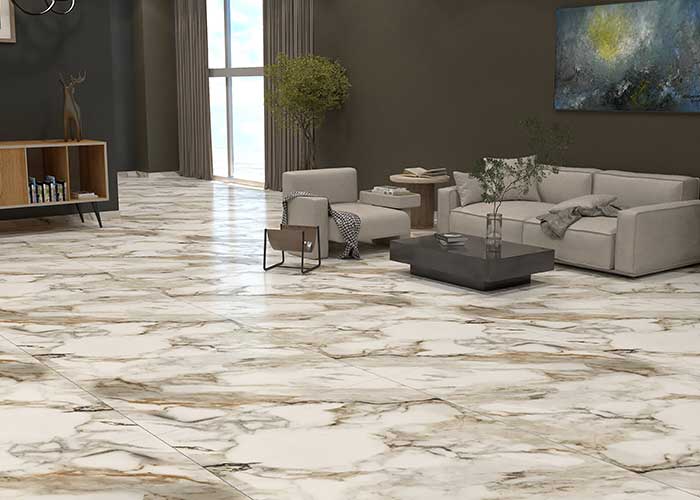
Flooring tiles are trending in larger formats, reducing grout lines and creating seamless surfaces. Wood-look tiles are especially popular in bedrooms and family areas, offering warmth without maintenance concerns. Marble-effect tiles provide the elegance of marble flooring while maintaining tile durability.
Mixing textures is another growing trend. For example, matte flooring tiles in kitchens can transition into polished marble flooring in adjacent dining spaces. This layered approach enhances visual interest while maintaining functionality across different zones of the home.
Environmental Considerations and Sustainability
Sustainability is becoming increasingly important in construction and renovation. Marble flooring is a natural material, but quarrying and transportation can impact the environment. Choosing responsibly sourced marble and reducing waste during installation supports sustainable practices.
Flooring tiles, particularly those made from recycled materials, offer eco-friendly alternatives. Many manufacturers now focus on energy-efficient production methods and sustainable packaging. Porcelain tiles often have long lifespans, reducing the need for frequent replacement and minimizing environmental impact.
Homeowners can also improve sustainability by selecting durable materials that require fewer resources over time. Whether opting for marble flooring or modern flooring tiles, prioritizing longevity and responsible sourcing contributes to environmentally conscious design.
Choosing the Right Option for Your Space
Selecting between marble flooring and flooring tiles depends on your personal preferences and practical requirements. Consider factors such as room usage, foot traffic, moisture exposure, and maintenance commitment. For statement spaces that demand elegance, marble flooring remains unmatched.
For kitchens, bathrooms, and high-traffic areas, flooring tiles may offer better performance and easier upkeep. Blending both materials can provide a harmonious balance of style and practicality. Consulting with design professionals ensures that your choice aligns with your lifestyle and architectural goals.
Ultimately, both options offer remarkable benefits. The key lies in understanding how each material contributes to comfort, durability, and aesthetic harmony within your home.
Conclusion
Marble flooring and flooring tiles continue to shape modern interiors with their distinct advantages. Marble delivers timeless beauty, natural elegance, and a sense of prestige that enhances property value. Flooring tiles provide versatility, affordability, and impressive durability for diverse applications.
Read More:- SPC Flooring vs Granite Flooring: Style & Strength Guide