
Introduction to Modern Flooring Choices
Choosing the right flooring is one of the most important decisions in home design. Floors define the atmosphere of a space, influence maintenance routines, and affect long-term property value. Among the most popular choices today are wooden flooring and vinyl flooring, both offering distinct advantages for homeowners. While wooden flooring brings natural warmth and timeless appeal, vinyl flooring offers versatility and affordability.
Modern homeowners are increasingly comparing these two materials not only for aesthetics but also for performance and longevity. Whether renovating a single room or designing a new house, understanding the differences between wooden flooring and vinyl flooring ensures that your investment delivers both style and practicality. This guide explores their characteristics, costs, durability, and suitability to help you make an informed decision.
Understanding Wooden Flooring
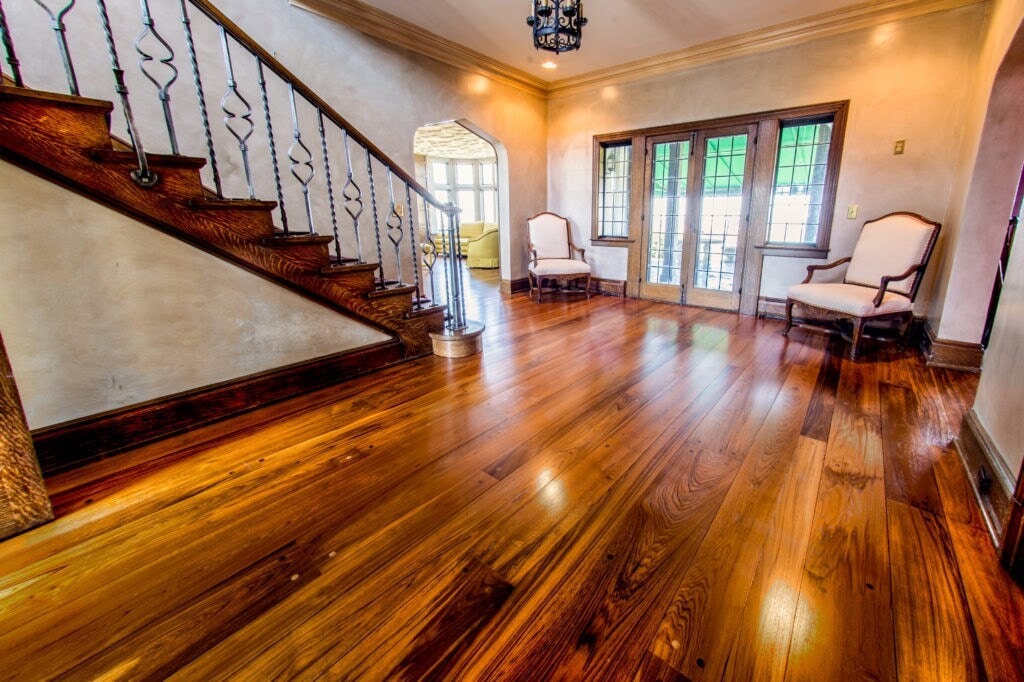
Wooden flooring has long been associated with elegance and durability. Crafted from solid hardwood or engineered wood layers, it offers natural grain patterns that make each plank unique. The appeal of wooden flooring lies in its authenticity—no two boards look exactly alike. This natural variation enhances the warmth and character of living rooms, bedrooms, and hallways.
Solid hardwood floors can last decades when properly maintained. They can be sanded and refinished multiple times, restoring their original beauty. Engineered wood, on the other hand, provides added stability in areas with fluctuating humidity. Wooden flooring also increases property value, making it a preferred choice for homeowners seeking long-term investment benefits. Despite its higher upfront cost, many consider wooden flooring a premium upgrade that enhances both visual appeal and resale value.
Exploring Vinyl Flooring
Vinyl flooring has evolved significantly over the years. Modern versions replicate the look of hardwood, stone, or tile with remarkable realism. Unlike traditional sheet vinyl, today’s luxury vinyl planks (LVP) and tiles (LVT) offer improved durability and water resistance. Vinyl flooring is especially popular in kitchens, bathrooms, and basements where moisture exposure is common.
One of the biggest advantages of vinyl flooring is its affordability. It provides a stylish look without the higher price tag associated with natural materials. Additionally, vinyl flooring is softer underfoot and often includes a cushioned backing that enhances comfort. Installation is typically quicker and easier, making it a practical choice for DIY enthusiasts. For homeowners prioritizing cost-effectiveness and resilience, vinyl flooring offers a compelling alternative to traditional wood.
Aesthetic Appeal and Design Flexibility
When comparing wooden flooring and vinyl flooring, aesthetics play a crucial role. Wooden flooring offers natural beauty, depth, and texture that synthetic materials strive to imitate. Its authentic grain patterns and warm tones create a sophisticated atmosphere.
Vinyl flooring, however, provides unmatched design flexibility. It can mimic various wood species, colors, and finishes while also offering stone or ceramic appearances. For homeowners who enjoy experimenting with styles, vinyl flooring offers broader customization options.
In open-plan homes, wooden flooring often creates seamless visual continuity. Meanwhile, vinyl flooring can be tailored to specific rooms without worrying about moisture limitations. Ultimately, both wooden flooring and vinyl flooring can enhance interior design, but the final choice depends on whether authenticity or adaptability is the top priority.
Durability and Longevity
Durability is a major factor when selecting flooring. Wooden flooring is known for its strength and longevity, particularly solid hardwood. With proper care, it can last 30 to 50 years or more. However, it is susceptible to scratches and moisture damage if not maintained correctly.
Vinyl flooring, on the other hand, is highly resistant to water and stains. It performs well in high-traffic areas and homes with pets or children. Although vinyl flooring may not last as long as premium hardwood, high-quality options can still provide 15 to 25 years of reliable performance.
For households prioritizing resilience in wet environments, vinyl flooring may be the better option. For those seeking decades of durability and refinishing potential, wooden flooring remains unmatched.
Installation Process and Requirements
Installation methods vary significantly between wooden flooring and vinyl flooring. Wooden flooring typically requires professional installation, especially for solid hardwood. The planks are nailed or glued down, and proper subfloor preparation is essential.
Vinyl flooring often features click-lock systems that simplify installation. Many homeowners install vinyl flooring themselves, reducing labor costs. Additionally, vinyl flooring can sometimes be installed directly over existing surfaces, making renovation projects faster and more convenient.
While wooden flooring demands precision and time, vinyl flooring offers a user-friendly approach. The installation decision often depends on budget, timeline, and technical expertise available.
Maintenance and Care
Maintenance is another important consideration. Wooden flooring requires regular sweeping, occasional polishing, and protection from excess moisture. Spills should be cleaned immediately to prevent staining or warping. Periodic refinishing can restore its appearance, extending its lifespan.
Vinyl flooring is easier to maintain. Routine sweeping and mopping are usually sufficient to keep it clean. It resists stains and does not require refinishing. For busy households, vinyl flooring offers low-maintenance convenience.
Although wooden flooring demands more care, many homeowners appreciate the long-term beauty it provides. Vinyl flooring appeals to those seeking minimal upkeep without sacrificing visual appeal.
Cost Comparison
Budget considerations often influence flooring decisions. Wooden flooring generally has a higher upfront cost due to material quality and installation expenses. However, its durability and potential to increase property value can offset the initial investment over time.
Vinyl flooring is typically more affordable, both in material and installation costs. It provides an economical solution for homeowners working within tighter budgets.
Here’s a simplified comparison:
| Feature | Wooden Flooring | Vinyl Flooring |
|---|---|---|
| Initial Cost | High | Moderate to Low |
| Lifespan | 30–50+ years | 15–25 years |
| Water Resistance | Moderate | High |
| Maintenance Level | Moderate | Low |
| Resale Value Impact | High | Moderate |
Both wooden flooring and vinyl flooring offer value in different ways, depending on financial priorities and long-term goals.
Environmental Impact
Sustainability is increasingly important in home improvement decisions. Wooden flooring sourced from responsibly managed forests can be environmentally friendly. Natural wood is biodegradable and renewable. However, it requires tree harvesting and careful resource management.
Vinyl flooring is made from synthetic materials, which may raise environmental concerns. However, advancements in manufacturing have improved eco-friendly options with reduced emissions. Some vinyl flooring products are recyclable and designed with sustainability in mind.
Homeowners focused on eco-conscious choices should research certifications and sourcing details before selecting wooden flooring or vinyl flooring.
Ideal Applications for Each Option
Wooden flooring works best in living rooms, dining areas, and bedrooms where moisture exposure is limited. Its timeless elegance enhances traditional and modern interiors alike.
Vinyl flooring excels in kitchens, bathrooms, laundry rooms, and basements. Its water resistance makes it suitable for spaces prone to spills and humidity.
By combining wooden flooring in dry areas and vinyl flooring in moisture-prone zones, homeowners can enjoy the advantages of both materials within one property.
Conclusion
Choosing between wooden flooring and vinyl flooring ultimately depends on lifestyle, budget, and design preferences. Wooden flooring delivers timeless elegance, natural warmth, and long-term value. It is an excellent investment for homeowners seeking authenticity and durability. Vinyl flooring offers affordability, moisture resistance, and easy maintenance, making it practical for busy households and high-traffic areas.
Read More:- Complete Guide to Epoxy Flooring and Installation Costs