
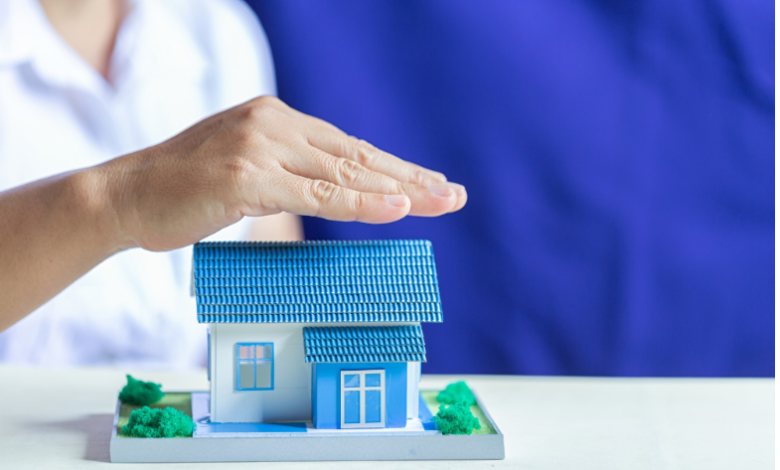
Being a homeowner, you must want the safety of your family and property. In this world, burglars are using new techniques that can affect your home’s safety. Fortunately, there are many ways to keep your home safe and secure, from a smart door lock to security cameras; everything can make a big difference.
Don’t wait until you leave for vacation to safeguard your home against intruders; make it a place intruders avoid.
If you are looking for ways to keep your home safe and secure, this guide will help. Here are four ways to enhance the safety of your house:
Smart Home Security
A professionally installed security system can give you peace of mind when you are not at home. Now, many smart home security systems have emerged to help keep your home safe. Voice control helps you to control safety; it also includes locking doors and opening your garage door. Many of these systems also offer 24/7 monitoring for additional support.
Adding smart home security lets you control your system remotely. For example, if you are tired and lying in bed, you can close the main door with your mobile device. Another condition is that you are not at home; this system allows you to check security features remotely.
Install PVC Fence
Many homeowners may not consider the fence a security barrier, but it is. Fences come in different materials that not only enhance your property’s appearance and value but also safeguard you. It acts as a durable physical barrier that prevents unauthorized access, deters trespassing, and offers visual privacy.
One thing that needs your attention is choosing a material for the fence that is durable, strong, and low-maintenance. PVC fence is one of the most durable and popular types of fence that not only provides security but also boosts your home’s outdoor appearance.
Add a Video Doorbell
A simple security camera is limited and captures the view where it’s installed. Thieves can easily enter through the door if security is not taken into account. A video doorbell is a smart camera that alerts you with a smart device and enables two-way communication if the intruders are harmless. You choose a night-vision camera to make sure you can see everything. This video doorbell safeguards you and your family before anything unsafe happens.
Install Security Cameras
Most intruder incidents are reported in the middle of the night, and the number is increasing when there are no security measures in place. Security cameras play a vital role in providing security. They protect people and property by deterring crime before it happens. They provide critical evidence to resolve disputes and offer 24/7 remote monitoring for complete peace of mind.
To effectively secure your home, focus on exterior entry points (doors and windows) and high-value areas. The front door is the highest priority. Place cameras 8 to 10 feet high to prevent tampering, and angle them for wide coverage while avoiding direct sunlight.