Transforming Spaces with Smart Aesthetics and Functionality | Complete Guide

Introduction
Choosing furniture and wall colors is only part of the process of designing a home. It’s about making experiences, making people feel at ease, and showing who you are via careful planning. Homeowners today want a mix of comfort, creativity, and technology in their homes. This is where interior design designmode24 becomes a powerful idea for modern dwellings.
Interior design designmode24 focuses on finding a balance between how things seem and how well they work. This includes open-concept living rooms and bedrooms that can be used for more than one thing. It uses balance, lighting, texture, and structure to make rooms that are both inviting and elegant. If you want to make your home feel more unified and purposeful, it’s important to know the basics of interior design designmode24, whether you’re just updating one room or revamping your whole house.
Getting to Know the Philosophy Behind Modern Interiors
Simplicity is at the heart of modern interiors, but that doesn’t imply they are empty. Instead, it focuses on clear forms, functional layouts, and fine details. The idea of designmode24 for interior design is to mix clean lines with small decorative details.
A good interior design takes into account:
• Planning for space
• Lighting that comes from nature and from machines
• Layering textures
• Furniture that works
• Emotional link
When using interior design designmode24, designers try to make a space that looks good and is functional for everyday use. It combines modern and transitional styles to keep an appearance that will last.
Important Ideas That Make Interiors Look Good
Proportion and Balance
Balance keeps one part of the area from taking over too much. Symmetrical layouts make things feel tranquil, whereas asymmetrical ones make things more interesting. In interior design designmode24, the size of the furniture and the size of the room are always in balance.
Using Light as a Design Tool
Lighting changes how you feel. Open windows and reflective surfaces should let in as much natural light as possible. Layered lighting, which includes ambient, task, and accent lighting, is a key part of interior design designmode24 because it lets you change things up during the day.
Harmony of Texture and Material
When you mix wood, metal, cloth, and glass, it adds depth. Smooth surfaces and tactile textiles keep things from getting boring. Interior design designmode24 suggests using both natural materials and trendy finishes in your designs.
Functional Flow
Spaces need to be easy to move around in. Good circulation patterns make sure that things are comfortable and useful. In interior design designmode24, preparing the layout comes before choosing decorations.
Ideas for Every Room in a Modern Home
The Living Room Is the Social Center
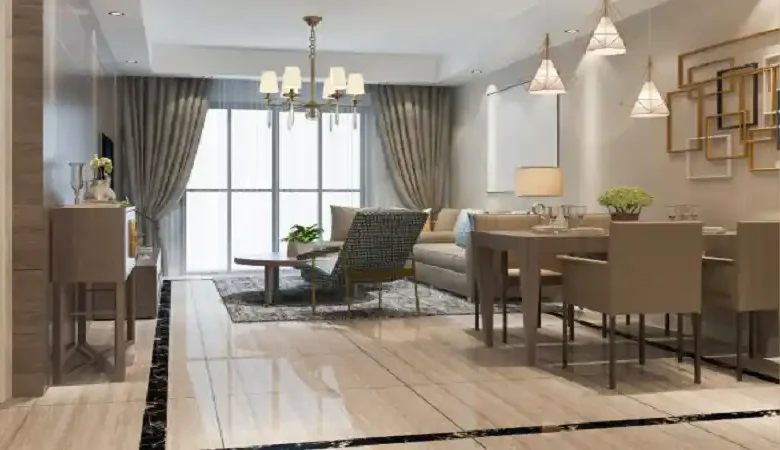
The living room shows out your individuality and way of life. A balanced room can be made with neutral color schemes and striking accent pieces. Comfortable seating grouped around a focal point, such as a statement wall or entertainment unit, gives the area a sense of stability.
If you want to use interior design designmode24 in your living room, you should focus on tiered lighting, textured rugs, and carefully chosen decorations. Don’t let too many people in. Let the empty space breathe.
The Best Things for a Living Room
• Sofa – Fabric that is neutral and has neat lines – Comfort and stability in sight
• Table for coffee – Little wood or glass – Main function
• Light – Mix of floor and ceiling – Rug with layers of ambiance
• Neutral tone with texture – Balance and warmth
• Accent Pieces – Decor that is metal or artistic – Highlight of personality
Bedroom: Where Comfort and Style Meet
Bedrooms should make you feel calm. Soft colors, layered bedding, and soft lighting make a space feel calm. Interior design designmode24 says that you should keep things simple and comfortable by using high-quality textiles and calming colors.
A headboard can be the main center of interest. Wall textures like paneling or wallpaper give the room depth without making it too busy.
Guide to Colors for the Bedroom
| Feeling | Suggested Colors | Effect |
|---|---|---|
| Calm | Beige, milk, light gray | A calm place |
| Romantic | Mauve, pink, warm taupe | Warm and welcoming |
| Modern | Charcoal, white, navy | Sleek sophistication |
| Natural | Sage green, sand, clay | Cozy feel |
You can see the effect of designmode24 for interior design in subtle ways, not in big differences.
Kitchen: Style and Function
Efficiency is important in kitchens. It is very important to have storage options, sensible layouts, and strong surfaces. In interior design designmode24, kitchens generally include cabinets without handles, quartz worktops, and built-in appliances.
Open shelving can show off carefully chosen dishes, but it’s crucial to keep everything in proportion. Clutter happens when you see too much.
Different Types of Kitchen Layouts
• Layout in the shape of a L
• Layout in the shape of a U
• Design that focuses on the island
• The layout of the parallel galley
Using interior design designmode24 makes sure that every arrangement promotes workflow and looks good at the same time.
Bathroom: Small Space, Big Effect
Even though bathrooms are small, they can feel like luxury. Floating vanities, big mirrors, and soft lighting make the space feel bigger. Interior design designmode24 is all about using neutral tiles with fixtures that stand out.
Think About These Things
| Surface | Material Choice | Benefit |
|---|---|---|
| Flooring | Tiles made of porcelain | Resistant to water |
| Countertops | Quartz | Durability |
| Fixtures | Nickel brushed | Stylish modernness |
| Walls | Tiles with a marble polish | Fancy look |
In interior design designmode24 bathroom ideas, it’s important to mix texture and gloss in a way that isn’t too obvious.
Picking the Right Color Plan
Color may change how you feel and how you see space. Rooms look bigger with light colors and smaller with dark colors.
When using interior design designmode24, think about:
• Base neutral tone
• Secondary complimentary color
• Use an accent color to make it more lively
Consistency across rooms keeps the flow of the home going. The idea of interior design designmode24 is to make transitions smooth instead of sudden changes in style.
Choosing Furniture for Modern Living
Furniture determines how useful something is. Big items can take over little places. More and more people are buying things that can do more than one thing.
Some examples are:
• Storage ottomans
• Sofas that can change
• Dining tables that can grow
• Desks that are attached to walls
The practical side of interior design designmode24 is choosing things that can vary with your lifestyle.
Making Technology Work Together Smoothly
Smart lighting, automated blinds, and devices that control the temperature in a home are already standard. interior design designmode24 encourages the use of technology without making the space look cluttered.
Hidden wiring, recessed speakers, and streamlined control panels keep everything looking clean while adding modern convenience.
Parts That Are Good for the Environment and Last a Long Time
Sustainability is very important in modern interiors. Using bamboo flooring, recycled materials, and energy-efficient lighting all help the earth.
interior design designmode24 is in line with living sustainably because it promotes long-lasting design choices instead of having to replace things often.
Things You Shouldn’t Do
Planning mistakes can happen even in well-decorated rooms.
Stay Away From These Problems
• Too many furniture in one place
• Not paying attention to lighting layers
• Picking trends without thinking about how long they will last
• Not thinking about storage solutions
Homeowners can avoid problems and make their homes seem good for a long time by following interior design designmode24.
Mixing Trends With Things That Never Go Out of Style
Trends change swiftly. But a base that lasts forever makes sure it lasts. You may easily change things up with neutral foundations and stylish accessories.
In interior design designmode24, you can replace the accent pieces like pillows, art, or ornamental vases every season without having to overhaul the whole framework.
Making a Big Impact in Small Spaces
Planning is important for small apartments or studio homes. Mirrors make a room look bigger. Vertical storage is the most efficient way to store things.
Main Strategies
• Shelving that goes on the wall
• Furniture that can be folded
• Light color schemes
• Little decoration
When you organize things right, little spaces may become gorgeous havens using interior design designmode24 principles.
Personalization and Art as a Form of Expression
A house becomes a home when it shows who you are. Art, family photos, and souvenirs from trips make the room feel pleasant.
While interior design designmode24 puts a lot of emphasis on planning and structure, it also values personal stories in the design.
Planning a Budget for Interior Projects
Planning a budget helps you have reasonable expectations. Before adding decorative items, make sure to set aside money for the most important structural parts, such flooring, lighting, and cabinets.
| Budget Category | Approximate Amount |
|---|---|
| Furniture | 30% |
| Lighting | 15% |
| Materials and Finishes | 25% |
| Decor and Accessories | 10% |
| Labor and Installation | 20% |
Strategic planning makes sure that interior design designmode24 can be done well without going over budget.
The Future of Home Design
As people move toward mixed work and wellness-focused living, homes need to change. Dedicated workplaces, meditation nooks, and rooms that may be used for more than one thing are becoming more important.
The flexibility of interior design designmode24 keeps homes looking good and working well for years to come.
Questions That People Ask a Lot
1. How does designmode24’s approach to interior design differ from traditional interior design?
Interior design designmode24 is all about combining modern minimalism with planning that works and small ornamental elements. It stresses clean looks while keeping things warm and useful.
2. Is designmode24 for interior design good for small homes?
Yes. Interior design designmode24 is great for small spaces because it focuses on layouts that work well, light colors, and furniture that can be used for more than one thing.
3. How often should I change the decor of my home?
Big changes to the structure should last for years. You can change decorative pieces based on interior design designmode24 every few years or every season.
4. Is it possible to use designmode24 for interior design on a tight budget?
Yes, of course. It is possible to achieve interior design designmode24 on a budget by starting with neutral colors and slowly adding decorations.
5. Are there certain color rules that designmode24 follows?
Interior design designmode24 is adaptable, but it usually prefers color schemes that are all the same with one or two accent colors for contrast.
Conclusion
A well-designed home makes life better every day. It helps with comfort, productivity, and mental health. Homeowners may turn boring rooms into amazing experiences by learning about space layout, lighting, materials, and personalization.
Balance, utility, and elegance are important ideas in interior design designmode24. Whether you’re just upgrading one room or planning a whole remodel, using these tips will help you create a peaceful living space that will last for years to come.
With careful planning and imaginative implementation, your home may really show what modern life is all about.
Read More:-Transforming Spaces with Timeless Aesthetics and Functional Living