Complete Guide to Flat Roof Installation and Materials

Introduction to Flat Roofing Systems
Flat roofing has become increasingly popular in residential and commercial construction because of its modern appearance, cost efficiency, and practical design. Unlike sloped roofs, flat roofs provide a sleek finish and usable surface space. Understanding flat roof installation is essential before starting any roofing project, as the process differs significantly from pitched roofing systems. From planning and structural preparation to waterproofing and finishing layers, every step requires careful execution.
When exploring roofing options, selecting the right flat roof materials is equally important. Materials influence durability, maintenance needs, and overall performance. Whether you’re building a new property or replacing an old roof, choosing wisely ensures long-term protection. This guide will explore installation methods, material comparisons, costs, and maintenance considerations in detail.
Understanding Flat Roof Installation Basics
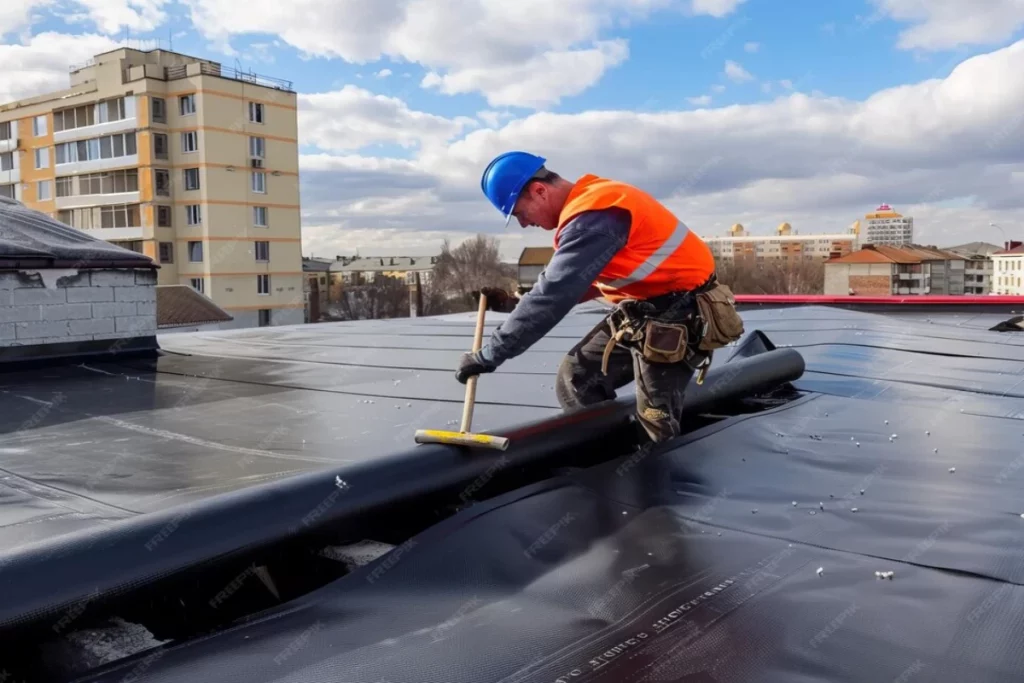
The process of flat roof installation begins with structural preparation. The roof deck must be clean, dry, and structurally sound before any membrane or covering is applied. A slight slope, typically about 1/4 inch per foot, is incorporated to allow proper water drainage. Without this subtle pitch, standing water may lead to premature damage.
After preparing the deck, insulation boards are installed to enhance energy efficiency. A vapor barrier may be placed beneath insulation to prevent moisture buildup. Then, the chosen roofing membrane is carefully laid out and sealed. Precision is critical, as even small gaps can compromise waterproofing.
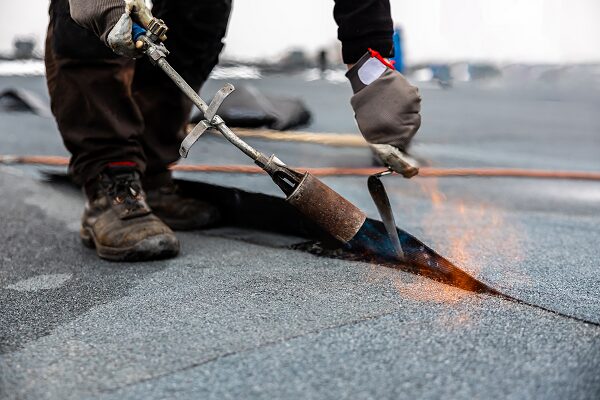
Choosing appropriate flat roof materials during installation affects performance. Some materials are heat-welded, while others use adhesives or mechanical fasteners. Proper sealing around vents, drains, and edges ensures the roof remains watertight. When installed correctly, a flat roof can last decades with minimal problems.
Popular Flat Roof Materials Explained
Selecting from various flat roof materials can feel overwhelming. Each option has unique benefits and limitations depending on climate, budget, and building type.
1. EPDM Rubber Roofing
EPDM is a durable synthetic rubber membrane known for flexibility and resistance to UV rays. It performs well in varying weather conditions and is relatively easy to install.
2. TPO Roofing
Thermoplastic Polyolefin (TPO) is a single-ply membrane known for energy efficiency. Its reflective surface reduces heat absorption, making it ideal for warm climates.
3. PVC Roofing
PVC membranes offer strong chemical resistance and durability. They are often used in commercial buildings.
4. Modified Bitumen
This asphalt-based system is reinforced with fiberglass or polyester for added strength.
5. Built-Up Roofing (BUR)
BUR consists of multiple layers of bitumen and reinforcing fabrics, creating a thick protective surface.
The choice of flat roof materials impacts longevity, maintenance frequency, and overall costs.
Comparison Table of Flat Roof Materials
| Material Type | Average Lifespan | Maintenance Level | Cost Range | Best For |
|---|---|---|---|---|
| EPDM Rubber | 20–30 years | Low | Moderate | Homes & Commercial |
| TPO | 15–25 years | Low | Moderate | Warm Climates |
| PVC | 20–30 years | Low | Higher | Commercial Buildings |
| Modified Bitumen | 15–20 years | Medium | Moderate | Residential |
| Built-Up Roofing | 20–30 years | Medium | Moderate | Large Structures |
This comparison helps property owners evaluate which flat roof materials suit their needs best.
Step-by-Step Flat Roof Installation Process
The flat roof installation process typically follows these stages:
-
Inspection and Preparation – Remove old materials and inspect decking.
-
Installing Insulation – Attach rigid insulation boards securely.
-
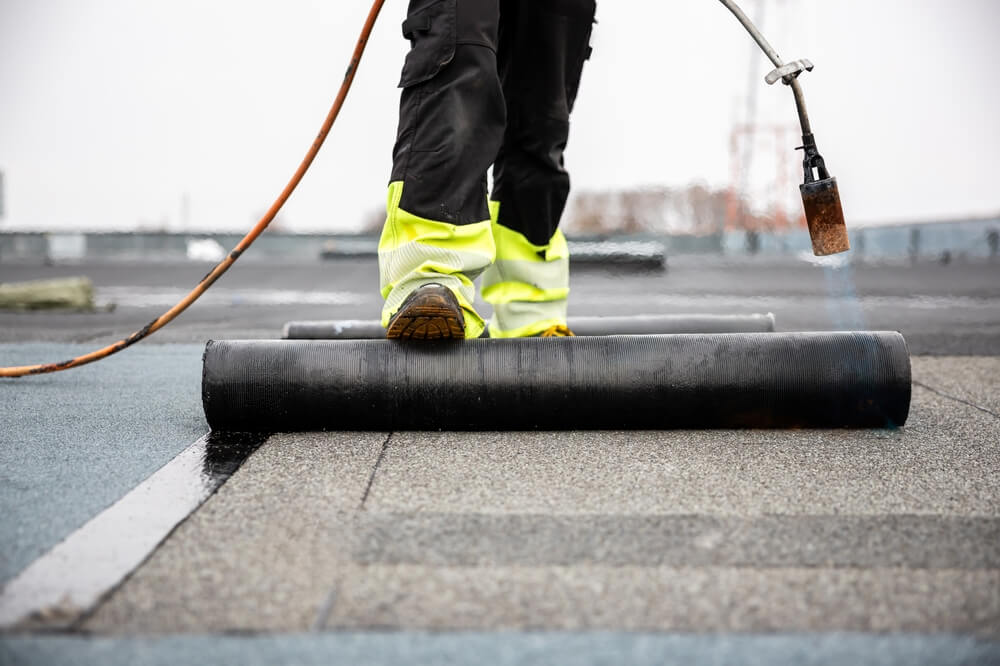
Applying Membrane – Lay chosen roofing membrane evenly.
-
Sealing and Flashing – Secure seams and edges to prevent leaks.
-
Final Inspection – Ensure drainage and watertight sealing.
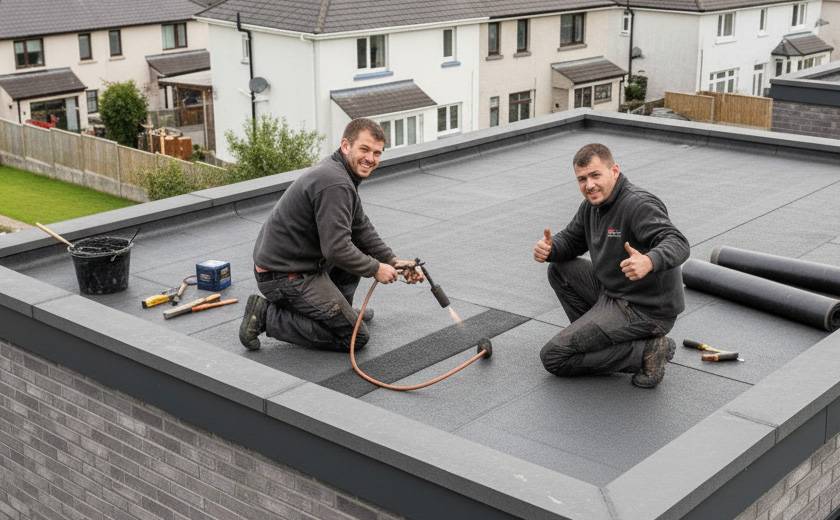
Professional contractors often use specialized tools to heat-weld seams or apply adhesives effectively. Proper drainage systems such as internal drains or scuppers are installed during this stage.
Correct flat roof installation ensures durability and reduces repair costs over time.
Benefits of Flat Roof Systems
Flat roofs offer multiple advantages beyond aesthetic appeal. One major benefit is affordability. The simplified structure and reduced material usage make flat roof installation generally more cost-effective than pitched roofs.
Another advantage is usable rooftop space. Property owners can install HVAC units, solar panels, or even rooftop gardens. Additionally, many modern flat roof materials are designed to reflect sunlight, improving energy efficiency and lowering cooling costs.
Maintenance accessibility is also easier. Since the roof surface is relatively level, inspections and minor repairs are safer and more convenient.
Cost Considerations for Flat Roof Installation
Costs vary depending on building size, material type, and labor charges. Basic flat roof installation using EPDM or TPO may be moderately priced, while PVC or advanced multi-layer systems may cost more.
Key cost factors include:
-
Roof size and complexity
-
Type of flat roof materials selected
-
Labor rates in your region
-
Insulation requirements
-
Removal of old roofing
Although upfront costs matter, long-term durability should guide decisions. Investing in quality materials often reduces future repair expenses.
Maintenance and Longevity
Routine maintenance extends the lifespan of any flat roof. Regular inspections help detect cracks, punctures, or seam separations early. Cleaning debris from drains prevents water pooling, which can weaken roofing membranes.
Different flat roof materials require varying maintenance levels. For example, rubber membranes may need occasional resealing, while built-up systems require inspection of gravel surfaces.
Scheduling professional inspections annually ensures the roof remains in excellent condition. A well-maintained roof can exceed its expected lifespan significantly.
Common Mistakes to Avoid
Improper flat roof installation can lead to costly repairs. Avoid these common errors:
-
Ignoring proper drainage slope
-
Poor seam sealing
-
Choosing low-quality flat roof materials
-
Skipping insulation
-
Delaying maintenance
Working with experienced contractors reduces the risk of installation mistakes.
Energy Efficiency and Sustainability
Modern flat roof materials often include reflective coatings that minimize heat absorption. This feature helps maintain indoor comfort and lowers electricity usage. Some systems are compatible with green roofing solutions, allowing vegetation growth that improves insulation and environmental impact.
Energy-efficient flat roof installation techniques also involve advanced insulation layers and moisture barriers that prevent energy loss.
Sustainability has become a priority in construction, and flat roofing systems continue to evolve with eco-friendly innovations.
When to Replace a Flat Roof
Knowing when to replace rather than repair is crucial. Signs that indicate replacement include frequent leaks, extensive membrane damage, and aging materials beyond their lifespan.
If multiple repairs fail, a complete flat roof installation may be more cost-effective. Choosing upgraded flat roof materials during replacement enhances performance and durability.
A professional assessment helps determine whether repair or replacement is the better option.
Conclusion
Flat roofs provide a practical, modern, and cost-effective roofing solution for residential and commercial buildings. Understanding the complete process of flat roof installation helps property owners make informed decisions and avoid common mistakes. From structural preparation and insulation to membrane sealing and drainage planning, every step contributes to long-term performance.
Read More:- Flat Roof Replacement & Repair Near Me Guide